2026 Manufacturing Guide
Bangladesh vs India Clothing Manufacturing | Complete Comparison for 2026
Choosing between Bangladesh and India for clothing manufacturing is one of the most strategic decisions fashion brands make. Both countries are major garment exporters, but they serve different needs. Bangladesh dominates knitwear production with lower costs and EU duty-free access. India excels in artisan craftsmanship, silk textiles, and fabric self-sufficiency. This guide compares costs, MOQs, specializations, tariffs, and working conditions to help you select the right manufacturing partner for your brand. Explore our clothing manufacturers and Bangladesh vs China clothing manufacturing.
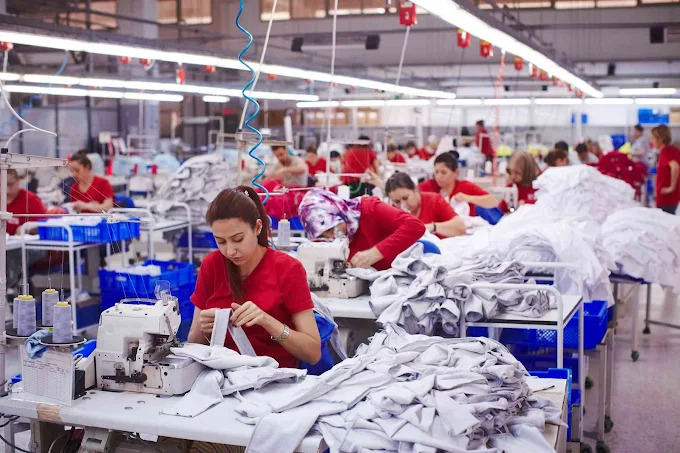
Bangladesh vs India | Key Metrics at a Glance
Understanding the fundamental differences between Bangladesh and India manufacturing ecosystems starts with hard data. These metrics reveal why each country appeals to different types of fashion brands. Bangladesh's strength lies in volume, cost efficiency, and knitwear specialization. India's advantage is textile diversity, artisan capabilities, and domestic market access.
| Factor | Bangladesh | India |
|---|---|---|
| Garment Export Value (2023) | $47 billion | $16 billion |
| MOQ Typical | 300-500 pieces | 500-1,000 pieces |
| Labor Cost (monthly) | $113 (Nov 2023) | $150-200 (varies by state) |
| US Tariff Rate | 15-32% | 15-32% |
| EU Tariff Rate | 0% (EBA until Nov 2026) | 9.6% (lost GSP in 2023) |
| UK Tariff Rate | 0% (DCTS enhanced) | Standard rate |
| Main Specialization | Knitwear (70% of exports) | Woven, silk, artisan |
| Certified Factories | Most LEED-certified globally | Growing certification base |
| Lead Time to USA | 40-45 days | 45-50 days |
| Lead Time to EU | 35-40 days | 40-45 days |
| Minimum Wage USD | $113/month | $150-200/month |
| Fabric Self-Sufficiency | Imports 70% of fabric | Produces cotton, silk, wool domestically |
Data sources: BGMEA, AEPC, World Bank, WTO, ILO. Tariff rates vary by product category. Bangladesh EBA duty-free access expires November 2026 upon LDC graduation. India lost EU GSP status in 2023 after economic growth exceeded threshold.
India's Clothing Manufacturing Strengths
India's textile heritage spans thousands of years, creating capabilities Bangladesh cannot match. The country's strength lies in diversity - India produces everything from mass-market cotton garments to luxury silk sarees with hand embroidery. For brands seeking unique textiles, artisan craftsmanship, or fabric self-sufficiency, India offers compelling advantages.
Fabric Self-Sufficiency
India is one of the few countries with complete textile self-sufficiency. The country produces cotton (world's largest producer), silk (largest producer), wool, jute, and synthetic fibers domestically. This vertical integration means Indian manufacturers control the entire supply chain from fiber to finished garment. For brands prioritizing traceability and reduced supply chain complexity, India's integrated textile industry is attractive. Bangladesh imports approximately 70% of its fabric, primarily from China and India, creating supply chain dependencies.
Embroidery and Handcraft Tradition
India's artisan embroidery traditions are unmatched globally. Regions specialize in distinct techniques: Lucknow's chikankari (white-on-white shadow work), Kashmir's zardozi (gold thread embroidery), Gujarat's mirror work, and Rajasthan's block printing. These crafts employ millions of artisans, many working in family traditions spanning generations. For fashion brands seeking differentiation through handcrafted details, India offers capabilities Bangladesh cannot replicate. Embroidery services in India range from basic machine embroidery to complex hand work requiring weeks per garment.
Luxury and Heritage Textiles
India's luxury textile heritage includes Varanasi silk brocade, Kanchipuram silk sarees, Pashmina shawls from Kashmir, and ikat weaving from Gujarat and Odisha. These heritage textiles command premium pricing in international markets. Indian manufacturers specializing in luxury fashion leverage these traditional techniques for contemporary designs. Brands positioning at the premium or luxury segment often find India's heritage textile capabilities align with their brand story. Bangladesh's manufacturing is primarily focused on contemporary, mass-market garments rather than heritage luxury.
Growing Technical Apparel Sector
India is rapidly developing capabilities in technical apparel and performance wear. Government initiatives like PLI (Production Linked Incentive) schemes subsidize investment in technical textile manufacturing. India's domestic sportswear market is growing quickly, driving expertise in moisture-wicking fabrics, compression garments, and athletic wear. While Bangladesh currently leads in technical apparel volume, India's technical sector is emerging with modern equipment and skilled labor. For brands seeking technical manufacturing with domestic India market access, India's growing capabilities are relevant.
Domestic Market of 1.4 Billion
India's massive domestic market offers brands the opportunity to sell locally while manufacturing for export. India's apparel market is valued at $70 billion and growing at 10% annually. Brands manufacturing in India can test products domestically before international expansion, reducing risk. The domestic market also provides volume when international demand fluctuates. Bangladesh, with a population of 170 million, has a much smaller domestic market and is almost entirely export-dependent. For brands considering India market entry, manufacturing in India provides strategic advantages beyond export sales.
Bangladesh's Clothing Manufacturing Strengths
Bangladesh's rise to become the world's second-largest garment exporter is built on focused specialization in knitwear, cost efficiency, and trade advantages. The country transformed from agricultural economy to garment powerhouse in four decades, creating an ecosystem optimized for volume production of basic and mid-market garments. For brands prioritizing cost, speed, and scalability, Bangladesh offers compelling advantages.
World's 2nd Largest Garment Exporter
Bangladesh exported $47 billion worth of garments in 2023, second only to China. The country accounts for 6.5% of global garment exports, surpassing India, Vietnam, and Turkey. This scale creates advantages: specialized suppliers, skilled workforce, and infrastructure optimized for garment production. Bangladesh's garment industry employs over 4 million workers, with expertise developed over decades of focused production. The industry's concentration in Dhaka and Chittagong creates ecosystem benefits - fabric suppliers, accessory manufacturers, and logistics providers cluster around garment factories, reducing lead times and costs.
Knitwear Dominance
Bangladesh specializes in knitwear, which comprises 70% of the country's garment exports. The country leads the world in t-shirt, hoodie, and activewear production. Knitwear factories in Bangladesh are vertically integrated, handling knitting, dyeing, finishing, and garment assembly under one roof. This integration reduces lead times (35-40 days to EU vs 45-50 days from India) and improves quality control. Bangladesh's knitwear expertise extends to complex garments like seamless activewear, compression wear, and performance fabrics. For brands producing t-shirts, hoodies, joggers, or other knit garments, Bangladesh's specialization translates to better quality and lower costs. Learn more about Bangladesh manufacturing capabilities. Compare with Bangladesh vs Vietnam manufacturing.
LEED-Certified Factory Density
Bangladesh has the highest concentration of LEED-certified green factories globally, with over 200 facilities certified by the U.S. Green Building Council. These factories feature energy-efficient lighting, water recycling systems, solar power, and worker amenities exceeding international standards. The green factory movement emerged after the 2013 Rana Plaza tragedy, as Bangladesh invested heavily in safety and sustainability. For brands prioritizing environmental sustainability, Bangladesh's certified green factories offer verifiable credentials. India's green factory movement is growing but has fewer certified facilities. SDF Clothing works with LEED-certified partners to support sustainable manufacturing initiatives.
Lower Labor Costs
Bangladesh's garment worker minimum wage is $113 per month (as of November 2023), significantly lower than India's $150-200 monthly wage. This labor cost advantage translates to 20-30% lower FOB prices for buyers. Despite lower wages, Bangladesh's garment workforce is highly productive, with output per worker among the highest in South Asia. The cost advantage is most pronounced in labor-intensive basic garments like t-shirts. For cost-sensitive brands targeting mass-market retail, Bangladesh's pricing is difficult to match. However, Bangladesh has faced labor unrest over wage levels, and further increases are expected as the country approaches LDC graduation in 2026.
EU Duty-Free Access Until November 2026
Bangladesh currently enjoys 0% duty access to European Union markets under the Everything But Arms (EBA) arrangement for least developed countries. This preferential treatment provides a 9.6% duty advantage over competitors like India, which lost EU GSP status in 2023. For EU-based fashion brands, Bangladesh's duty-free access directly impacts landed cost. The advantage is temporary - Bangladesh graduates from LDC status in November 2026, which will remove EBA benefits. However, Bangladesh is negotiating new trade agreements with the EU to maintain preferential access. Brands sourcing for EU markets should factor this timeline into long-term sourcing strategy.
Trade Agreements | Tariff Comparison for US, EU, UK, AU
Trade agreements significantly impact landed cost for fashion brands. Duty differences of 5-10% can make or margin in competitive retail markets. Bangladesh and India have different trade relationship profiles with major markets, creating commercial advantages for specific sourcing destinations. Understanding these tariff structures is essential for accurate cost calculation.
| Market | Bangladesh Rate | India Rate | Difference |
|---|---|---|---|
| USA (MFN) | 15-32% | 15-32% | No difference |
| EU (GSP/EBA) | 0% (until Nov 2026) | 9.6% (lost GSP 2023) | Bangladesh +9.6% |
| UK (DCTS) | 0% (enhanced preferences) | Standard rate | Bangladesh advantage |
| Australia | 5-10% | 5-10% | No difference |
United States Market
Both Bangladesh and India face the same tariff rates in the U.S. market under Most Favored Nation (MFN) treatment, ranging from 15-32% depending on product category. Neither country has a free trade agreement with the U.S. For U.S.-based fashion brands, tariff differences do not favor Bangladesh or India. The decision between the two countries for U.S. buyers should focus on cost, MOQ, lead time, and product specialization rather than duty advantages.
European Union Market
The EU market shows the most significant tariff difference. Bangladesh currently pays 0% duty under EBA (Everything But Arms) for LDCs. India lost GSP (Generalized Scheme of Preferences) status in 2023 after its GDP per capita exceeded the threshold for developing country classification. India now pays the standard EU tariff of 9.6% on most garments. This 9.6% difference directly impacts landed cost for EU buyers. However, Bangladesh's EBA advantage is temporary - LDC graduation in November 2026 will remove duty-free access unless new agreements are negotiated. EU brands should factor this transition into long-term planning.
United Kingdom Market
Post-Brexit, the UK established the Developing Countries Trading Scheme (DCTS), which provides enhanced preferences to Bangladesh as an LDC. India receives standard tariff treatment under UK schemes. Bangladesh gets duty-free access to more product categories than India under DCTS. For UK-based fashion brands, Bangladesh offers tariff advantages similar to the EU market, though the specific product coverage differs. The UK scheme is stable long-term, unlike the EU EBA which expires in 2026.
Certified Quality
We hold 13 international certifications covering quality, social compliance, and environmental standards. These include GOTS (organic cotton), OEKO-TEX (chemical safety), BSCI (social compliance), WRAP (ethical manufacturing), ISO 9001 (quality management), and C-TPAT (supply chain security). Each certification is verified by third-party auditors and available for client review. Learn more about our complete certification portfolio and what each standard means for your brand. We also provide private label manufacturing services.
Australian Market
Australia applies standard MFN tariffs of 5-10% to garments from both Bangladesh and India. Neither country has preferential access to Australia. For Australian brands, tariff differences do not influence the sourcing decision between Bangladesh and India. Focus on other factors: product specialization, MOQ, lead time, and total landed cost including shipping.
Product Specialization | What Each Does Best
Bangladesh and India have developed different specializations based on historical factors, government policy, and industry focus. Understanding which country excels at which product category helps brands match their needs to the right manufacturing partner. Neither country is universally superior - the choice depends on what you're making.
| Category | Bangladesh | India | Winner |
|---|---|---|---|
| Knitwear/T-shirts | World leader, vertical integration | Competitive but smaller scale | Bangladesh |
| Embroidery/Artisan | Limited capability | Global leader, heritage crafts | India |
| Denim | Strong, large capacity | Strong, artisan washes | Tie |
| Activewear | Growing rapidly, technical | Emerging, government support | Bangladesh |
| Silk/Luxury | Not a strength | Heritage silk, Varanasi, Kanchipuram | India |
| Uniforms | Strong, cost-effective | Strong, domestic market | Tie |
| Cotton Basics | Cost leader, high volume | Good, domestic cotton | Bangladesh |
| Sustainable Certified | Most LEED/GOTS certified | Growing certification base | Bangladesh |
Knitwear and T-Shirts
Bangladesh is the undisputed leader in knitwear production. The country's vertical integration - knitting, dyeing, finishing, and garment assembly under one roof - creates efficiency and quality control advantages. Bangladesh t-shirt factories produce at scale with consistent quality, making the country the preferred source for basic knitwear globally. India produces knitwear but at smaller scale and with less vertical integration. For brands producing t-shirts, hoodies, sweatshirts, or other knit garments, Bangladesh is the clear choice.
Embroidery and Artisan Products
India dominates embroidery and artisan garment production. The country's regional specialties - Lucknow chikankari, Kashmir zardozi, Gujarat mirror work, Rajasthan block print - employ millions of artisans. These techniques cannot be replicated at scale in Bangladesh. For brands seeking handcrafted differentiation, India is the only viable option between the two countries. Bangladesh offers machine embroidery but lacks the depth of artisan craft traditions India possesses.
Denim
Both countries have strong denim capabilities. Bangladesh produces high volumes of basic denim jeans at competitive prices. India excels at artisan denim washes and premium denim finishes. The choice depends on positioning: Bangladesh for mass-market denim, India for premium or artisan denim. Both countries have sufficient denim capacity and expertise to serve international brands effectively.
Activewear
Bangladesh has rapidly developed activewear capabilities, leveraging its knitwear expertise. The country now produces compression wear, moisture-wicking garments, and technical athletic apparel. India's activewear sector is growing with government support through PLI schemes, but Bangladesh currently has more established capacity. For performance wear and athletic apparel, Bangladesh's specialized activewear factories offer better capabilities currently.
Silk and Luxury Garments
India's silk heritage is unmatched. Varanasi silk brocade, Kanchipuram silk sarees, and other luxury textiles have been produced for centuries. Indian manufacturers leverage this heritage for contemporary luxury fashion. Bangladesh does not have significant silk production or luxury garment capabilities. For brands positioning at the premium or luxury segment with silk or heritage textiles, India is the appropriate choice.
Sustainable Certified Production
Bangladesh leads in sustainable manufacturing certifications. The country has the highest density of LEED-certified green factories globally and extensive GOTS organic certification. India's sustainability certification base is growing but smaller. For brands requiring verifiable sustainability credentials (GOTS, OEKO-TEX, Fair Trade, LEED), Bangladesh's certified ecosystem offers more options and easier verification. SDF Clothing holds 13 international certifications for sustainable production.
Labor Costs and Working Conditions Comparison
Labor costs directly impact garment pricing, but working conditions affect brand reputation and risk. Both Bangladesh and India have made progress on labor standards, but challenges remain. Understanding the labor landscape helps brands make ethical sourcing decisions while managing costs.
Bangladesh Labor Costs
Bangladesh's garment worker minimum wage is $113 per month as of November 2023, following protests that led to a 56% increase. This wage level remains among the lowest in major garment-producing countries. Despite low wages, productivity is high due to workforce specialization. The Bangladesh Garment Manufacturers and Exporters Association (BGMEA) sets industry standards and advocates for worker interests. However, labor unrest continues as workers demand higher wages amid inflation. Further wage increases are expected before LDC graduation in 2026. For brands, Bangladesh's low labor costs translate to competitive FOB pricing, but supply chain risk from labor disputes must be managed.
India Labor Costs
India's garment labor costs vary widely by state, ranging from $150-200 per month. States like Tamil Nadu, Karnataka, and Gujarat have higher wages due to stronger labor unions and cost of living. Tier-2 cities offer lower wages but may have less skilled labor. India's labor laws are more complex than Bangladesh's, with varying regulations by state. The Apparel Export Promotion Council (AEPC) represents Indian garment exporters and works on labor standards. India's higher labor costs result in higher FOB prices compared to Bangladesh, but the difference narrows for value-added products like embroidery where India's artisan skills justify premium pricing.
Working Conditions and Compliance
Both countries have compliance programs, but implementation varies. Bangladesh's Accord and Alliance programs after Rana Plaza improved safety standards, with over 1,600 factories inspected and remediated. The country now has robust fire and building safety enforcement. India's compliance framework is fragmented by state, with uneven implementation. Third-party certifications (BSCI, SEDEX, WRAP) provide verification of working conditions in both countries. Brands should verify certifications directly with issuing bodies and request recent audit reports. SDF Clothing undergoes regular third-party audits and shares reports with qualified clients. We provide quality inspection services to ensure compliance.
Industry Bodies: BGMEA vs AEPC
The Bangladesh Garment Manufacturers and Exporters Association (BGMEA) is the primary industry body, representing over 4,000 factories. BGMEA sets standards, advocates for policy, and provides training. The organization maintains a factory directory for verification. The Apparel Export Promotion Council (AEPC) serves India's garment exporters, promoting exports and providing industry services. Both organizations offer factory directories and compliance resources. For brands, verifying membership in these associations is a basic due diligence step when selecting manufacturing partners.
When to Choose Bangladesh vs India
The decision between Bangladesh and India should be based on your specific needs rather than general superiority. Each country excels in different scenarios. Use this framework to match your requirements to the right manufacturing destination.
Choose Bangladesh When:
- Producing knitwear: T-shirts, hoodies, sweatshirts, joggers, and other knit garments. Bangladesh's vertical integration and specialization in knitwear deliver better quality and lower costs.
- Cost is primary: Bangladesh offers 20-30% lower FOB prices than India for basic garments due to lower labor costs and economies of scale.
- Targeting EU market: Until November 2026, Bangladesh's 0% duty access under EBA provides a 9.6% landed cost advantage over India.
- Startup MOQ needs: Bangladesh factories like SDF offer 300 piece minimums, making production accessible to emerging brands. India typically requires 500-1,000 piece minimums.
- Sustainability certification required: Bangladesh has the highest density of LEED-certified factories and extensive GOTS organic certification, simplifying verification for sustainability-focused brands.
- High volume basic garments: Bangladesh's scale and specialization in basic garments make it ideal for high-volume, standardized production.
- Fast turnaround needed: Bangladesh's lead times to EU (35-40 days) are shorter than India's (40-45 days) due to vertical integration and proximity.
Choose India When:
- Hand embroidery or artisan techniques required: India's embroidery traditions (chikankari, zardozi, mirror work) and artisan capabilities are unmatched globally.
- Block printing or heritage textiles: India's regional textile specialties (Rajasthan block print, Varanasi silk, Kanchipuram silk) offer unique differentiation.
- Silk garments: India produces silk domestically and has centuries of silk weaving expertise. Bangladesh does not have significant silk production.
- Luxury positioning: India's heritage textiles and artisan crafts align with luxury brand narratives. Bangladesh focuses on mass-market production.
- Fabric self-sufficiency important: India produces cotton, silk, wool, and synthetics domestically, reducing supply chain complexity. Bangladesh imports 70% of fabric.
- Domestic India market entry: Manufacturing in India provides access to the $70 billion domestic market for testing or simultaneous domestic sales.
- Small-batch artisan production: India's artisan sector is structured for small, specialized batches. Bangladesh is optimized for high-volume standardized production.
Many brands source from both countries - Bangladesh for basic knitwear, India for artisan or silk pieces. This hybrid approach leverages each country's strengths. SDF Clothing serves brands manufacturing in Bangladesh and can coordinate with Indian partners for complementary product cat
Bangladesh vs India Clothing Manufacturing FAQ
Is Bangladesh or India cheaper for clothing manufacturing?
Bangladesh is generally cheaper for clothing manufacturing due to lower labor costs ($113/month vs $150-200/month in India) and economies of scale in knitwear production. Bangladesh offers FOB prices 20-30% lower than India for basic garments like t-shirts and hoodies. However, India can be competitive for specialized products like silk garments or hand-embroidered items where Bangladesh lacks capabilities. For cost-sensitive brands producing basic knitwear, Bangladesh is typically the more economical choice.
Which country is better for knitwear manufacturing?
Bangladesh is superior for knitwear manufacturing. The country produces 70% knitwear as a percentage of total garment exports, with specialized vertical integration covering knitting, dyeing, and garment production. Bangladesh's knitwear factories have higher capacity, better automation, and more experience with stretch fabrics than Indian competitors. For t-shirts, hoodies, activewear, and other knit garments, Bangladesh is the clear choice due to specialization, scale, and cost efficiency.
Does India have duty-free access to the EU?
India lost duty-free access to the EU under the Generalized Scheme of Preferences (GSP) in 2023 after graduating from developing country status due to economic growth. India now pays standard EU tariff rates of 9.6% on most garments. In contrast, Bangladesh still enjoys 0% duty access under the Everything But Arms (EBA) arrangement until November 2026, when LDC graduation will change this preferential treatment. For EU-based brands, Bangladesh's duty advantage significantly impacts landed cost.
What is India famous for in clothing manufacturing?
India is renowned for textile diversity and artisanal craftsmanship. The country excels in hand embroidery (chikankari from Lucknow, zardozi), block printing (Jaipur, Rajasthan), silk weaving (Varanasi, Kanchipuram), and heritage textiles. India produces cotton, silk, wool, and jute domestically, offering fabric self-sufficiency few countries match. Indian manufacturers also specialize in luxury fashion, bridal wear, and small-batch artisan production. These capabilities make India the preferred choice for brands seeking unique textiles and handcrafted differentiation.
Can small brands work with factories in Bangladesh?
Yes, small brands can work with Bangladesh factories, particularly those specializing in low MOQ production. SDF Clothing offers 300 piece minimums per style, making Bangladesh accessible to startups and boutique brands. While many large Bangladesh factories require 1,000+ piece orders, specialized manufacturers like SDF cater to emerging brands with flexible sizing and color combinations. Working directly with the factory (not through agents) keeps costs low. For low MOQ clothing manufacturers, Bangladesh has accessible options for small brands. Submit a sample request to get started.
How do quality standards compare between Bangladesh and India?
Both countries have manufacturers ranging from basic to premium quality. Bangladesh leads in certified sustainable production with the highest density of LEED-certified factories globally. India has strong quality standards in specialized segments like silk and luxury wear. Quality ultimately depends on the specific factory's certifications (GOTS, OEKO-TEX, BSCI, WRAP) and quality control systems rather than the country. SDF Clothing holds 13 international certifications ensuring consistent quality. Brands should verify certifications and request audit reports regardless of country. Our sampling service ensures quality approval before bulk production.
What is the MOQ difference between Bangladesh and India factories?
Bangladesh factories typically offer lower MOQs for knitwear (300-500 pieces) due to high-volume production capacity and vertical integration. India factories often require higher MOQs (500-1,000 pieces) except for specialized artisan products where small batches are common. Bangladesh's 300 piece minimum at SDF is among the lowest in the industry for basic garments, while India's MOQs vary widely by product type and factory specialization. For clothing manufacturers for startups, Bangladesh's lower MOQs are often more accessible. Learn about our full package production services.
Which country is better for sustainable clothing manufacturing?
Bangladesh leads in sustainable manufacturing certifications and infrastructure. The country has the world's highest concentration of LEED-certified green factories, extensive GOTS organic certification, and established recycling programs. India is developing sustainable capabilities but has fewer certified facilities. For brands requiring verifiable sustainability credentials (GOTS, OEKO-TEX, Fair Trade), Bangladesh's certified ecosystem offers more options and easier verification. SDF Clothing supports sustainable clothing manufacturing with certified facilities and transparent processes.
Ready to Choose Your Manufacturing Partner?
Whether you choose Bangladesh for knitwear and cost efficiency, or India for artisan craftsmanship and silk, SDF Clothing can help. We manufacture in Bangladesh and can coordinate with Indian partners for specialized products. Get a quote to discuss your specific requirements.